


0
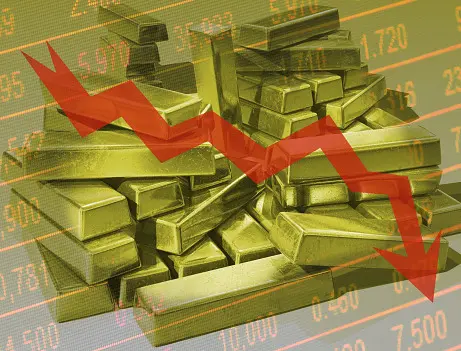
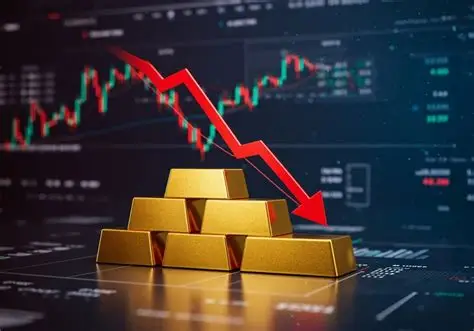
The global gold market came under intense selling pressure on Friday, with gold prices falling for a fifth consecutive trading session and deepening bearish sentiment across the precious metals sector. Hawkish signals from Federal Reserve officials, renewed expectations of further interest rate hikes, and a sharp sell-off in artificial intelligence-related stocks have all contributed to the decline. As investors seek to raise cash amid growing market volatility, gold has increasingly become a source of liquidity rather than a traditional safe-haven asset. The latest sell-off has put gold on track for its steepest weekly decline since March.
During Friday's Asian trading session, spot gold extended its losses, plunging more than 2.8% at one point and approaching the $3,520-per-ounce level. Based on the latest price movements, gold could end the week down more than 9%, marking its worst weekly performance since September 2025. The metal's five consecutive sessions of losses suggest that bullish momentum has weakened considerably, while investor confidence in its near-term outlook has also deteriorated. Meanwhile, silver has suffered even heavier losses. Spot silver has fallen approximately 15% this week, while U.S. silver futures extended their decline to 7% during Friday's Asian session, highlighting widespread selling pressure across the precious metals market.
One of the main drivers behind the latest decline in gold prices is the shift in expectations surrounding Federal Reserve monetary policy. Several Fed officials have recently adopted a more hawkish tone, suggesting that further interest rate increases may be necessary if inflationary pressures remain persistent. They have also indicated that the central bank could consider more aggressive rate hikes if economic conditions warrant such action. These comments have prompted investors to reassess the future path of monetary policy, putting additional pressure on gold.
From a market perspective, gold is a non-yielding asset, meaning its attractiveness is closely linked to real interest rates and movements in the U.S. dollar. When markets anticipate that the Federal Reserve will maintain higher interest rates or continue tightening monetary policy, U.S. Treasury yields may face upward pressure, increasing the opportunity cost of holding gold. At the same time, higher returns on dollar-denominated assets could strengthen demand for the U.S. currency, creating additional headwinds for dollar-priced gold. Under these circumstances, some investors may reduce their gold exposure and shift toward dollar assets offering more attractive yields.
Beyond monetary policy concerns, the sharp sell-off in artificial intelligence-related stocks has also played a significant role in the latest decline in precious metals. Concerns over elevated valuations and the future earnings prospects of AI-related companies have intensified, triggering substantial selling across technology stocks. As volatility spreads through financial markets, some investors are facing portfolio losses, margin pressures, and increased demand for liquidity. To cover losses elsewhere or meet cash requirements, investors have begun selling highly liquid assets, including gold.
This development helps explain why gold has failed to rise despite growing uncertainty in equity markets. Under normal circumstances, a sharp decline in stock markets would encourage investors to seek protection through traditional safe-haven assets such as gold. However, when financial markets experience liquidity stress, the priority for investors may shift from protecting capital to raising cash as quickly as possible. In such an environment, even assets with strong long-term safe-haven characteristics can come under selling pressure because of their liquidity and ease of trading.
From a foreign exchange market perspective, the sharp decline in gold prices could also indirectly support the U.S. dollar. Expectations of further Federal Reserve rate hikes may help preserve the yield advantage of dollar-denominated assets, potentially attracting additional capital inflows. However, the dollar's future performance will also depend on U.S. economic indicators, inflation trends, and monetary policy decisions by other major central banks. If concerns emerge that persistently high interest rates could significantly weaken U.S. economic growth, the dollar's upward momentum may also face limitations.
Another important development is the simultaneous decline in gold and silver, which suggests that selling pressure has spread across the broader precious metals sector. Silver has both precious metal and industrial metal characteristics. Consequently, its price is influenced not only by the U.S. dollar and interest rates but also by expectations for global economic growth and industrial demand. When risk appetite deteriorates and liquidity conditions tighten, silver typically experiences greater price volatility than gold.
Looking ahead, investors will be closely monitoring further comments from Federal Reserve officials, upcoming U.S. inflation and employment data, as well as movements in the U.S. dollar and Treasury yields. If hawkish monetary policy expectations continue to strengthen, gold could remain under considerable downward pressure in the near term. However, if markets gradually absorb the prospect of further rate hikes and the sell-off in technology stocks begins to ease, precious metals could find room for a technical rebound.
Overall, gold's fifth consecutive daily decline reflects more than just changing safe-haven demand. It highlights the combined impact of shifting Federal Reserve policy expectations, the relative attractiveness of dollar-denominated assets, and growing liquidity demands across global financial markets. With gold approaching $3,520 per ounce and silver recording a weekly decline of approximately 15%, the precious metals market is undergoing a significant repricing. In the short term, market sentiment remains cautious, and investors should closely monitor changes in interest rate expectations and capital flows while remaining alert to the risk of further volatility across the precious metals sector.
更多报道



2026 © - All Rights Reserved by BCR Co Pty Ltd
风险披露:衍生品在场外交易,采用保证金交易,意味着具有高风险水平,有可能会损失所有投资。这些产品并不适合所有投资者。在进行交易之前,请确保您充分了解风险,并仔细考虑您的财务状况和交易经验。如有必要,请在与BCR开设账户之前咨询独立的财务顾问。
BCR Co Pty Ltd(公司编号1975046)是一家根据英属维尔京群岛法律注册成立的公司,注册地址为英属维尔京群岛托尔托拉岛罗德镇Wickham’s Cay 1的Trident Chambers,并受英属维尔京群岛金融服务委员会监管,牌照号为SIBA/L/19/1122。
Open Bridge Limited(公司编号16701394)是一家根据2006年《公司法》注册成立并在英格兰和威尔士注册的公司,注册地址为 Kemp House, 160 City Road, London, England, EC1V 2NX. Open Bridge Limited仅作为BCR Co Pty Ltd的支付处理方运作,并不代表其提供任何金融、交易或投资服务。Open Bridge Limited的角色仅限于支付处理。


 English
 简体中文
 繁體中文
 Bahasa
Melayu
 Tiếng
Việt
 ไทย
 日本語
 한국어
 ភាសាខ្មែរ
 español
